
PDF vs PNG vs JPG for Banner Printing
Send a PDF with outlined fonts or a high-res PNG for simple graphics. JPG is last, photos only, and it chews type. Do not email a 400-pixel web graphic.
Ideas. Design. Print. Display.
Guides, size charts, and shop notes on vinyl banners, finishing, and display.
Send a PDF with outlined fonts or a high-res PNG for simple graphics. JPG is last, photos only, and it chews type. Do not email a 400-pixel web graphic.

Printers lay down CMYK ink. You can design in RGB if the shop converts. Neon RGB blues will dull. Ask before you lock a brand color.
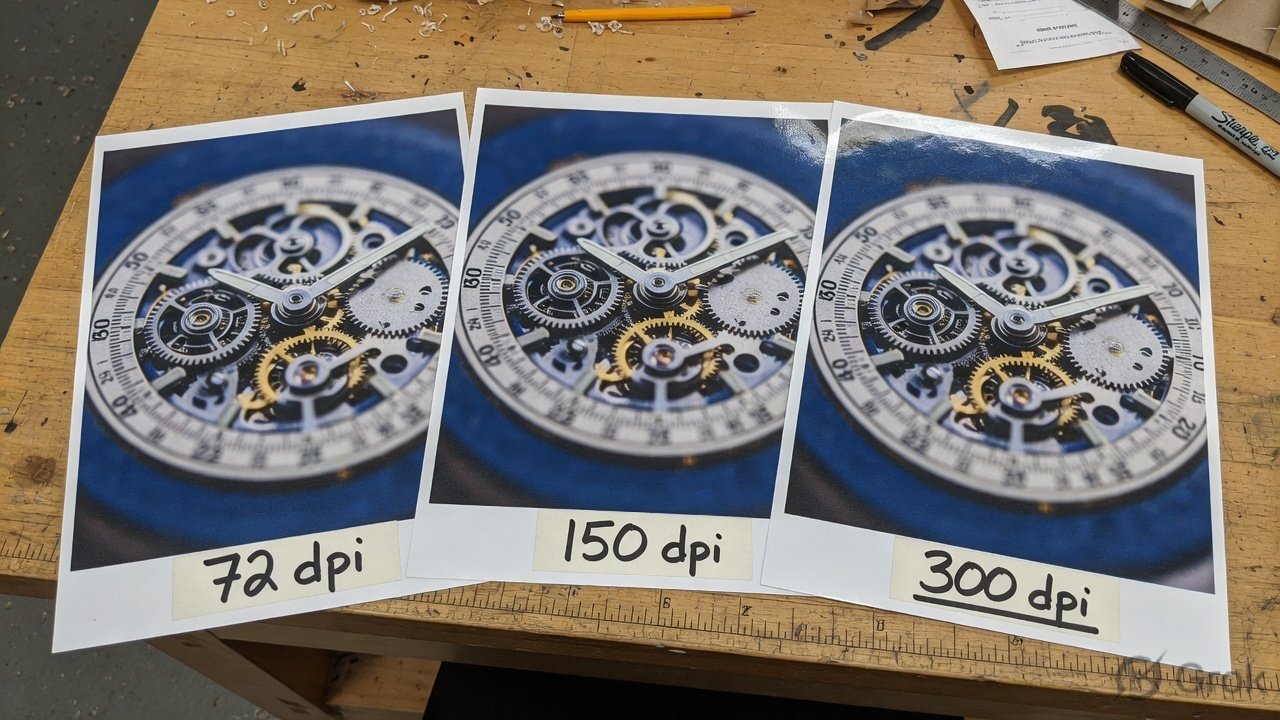
72 dpi is screens. 150 dpi is banners. 300 dpi is brochures and cards. Match dpi to viewing distance, not to a myth that more is always better.
Read More: 72 DPI vs 150 DPI vs 300 DPI for Large Format Printing
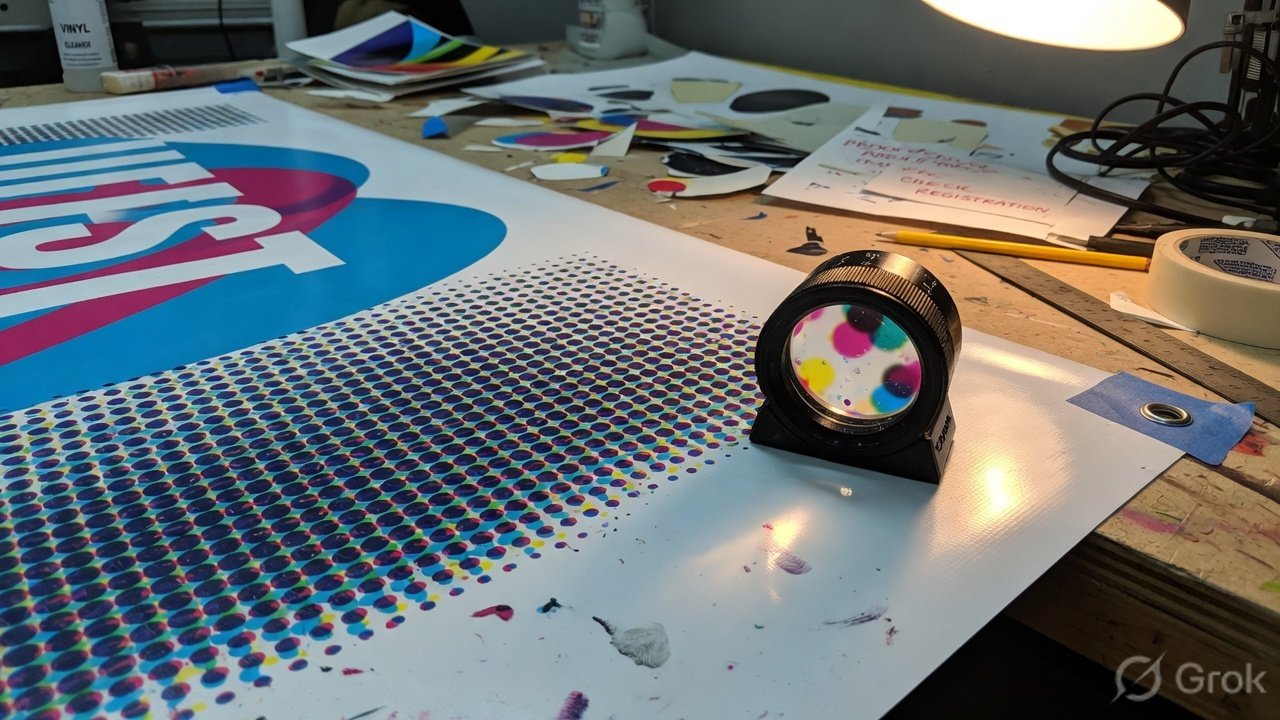
Yes. 150 dpi at final size is the normal wide-format spec. You are not printing a brochure. People stand farther back.
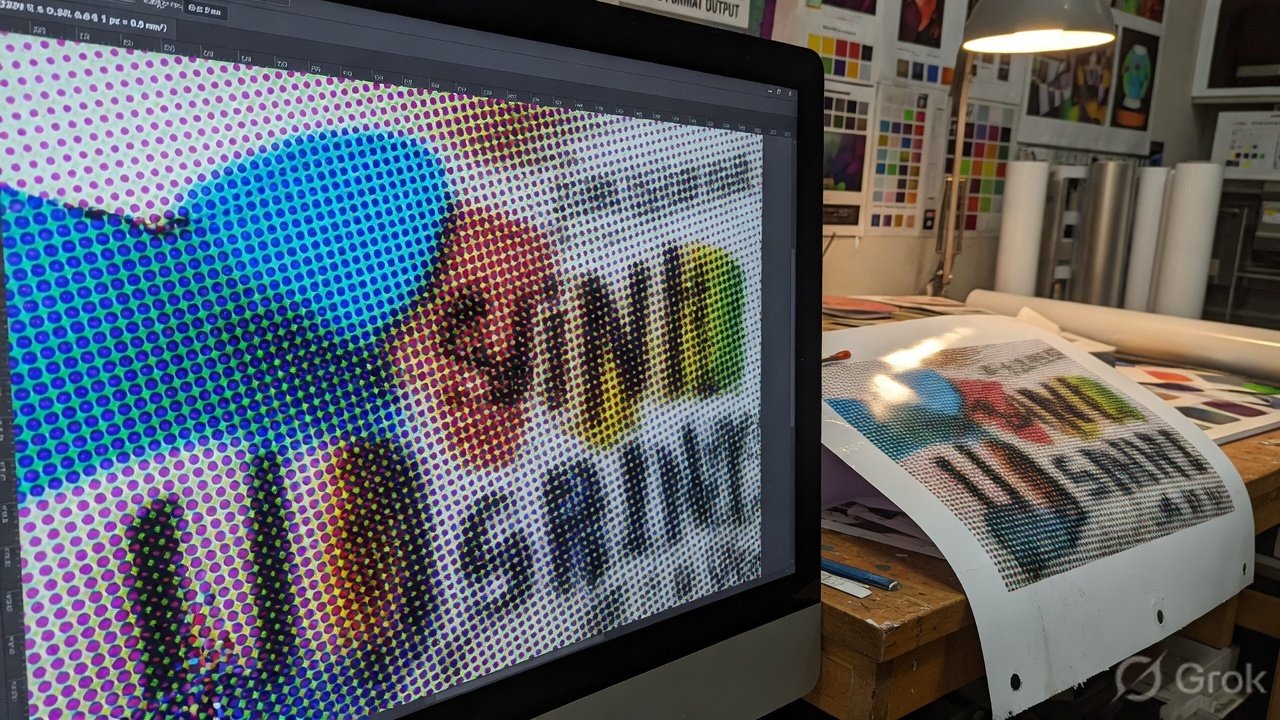
Build banner art at 100–150 dpi at final size. Vector the type. Do not send a 72 dpi web graphic and ask the shop to enlarge it.
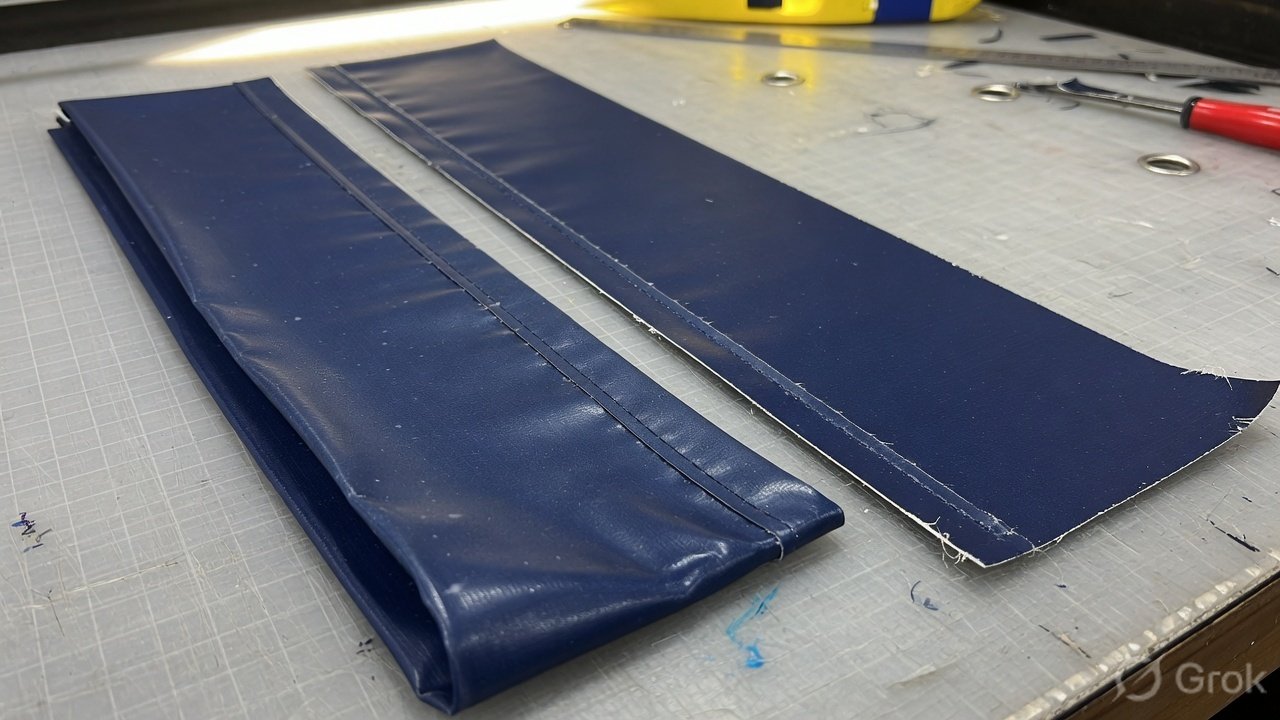
Hem outdoor banners. Skip the hem only for cheap indoor short runs. Pole pockets are a hem with a job. Raw edges fail at the first grommet.

Put grommets about every 24 inches, closer in wind, and always in the corners. 12–18 inches on fence jobs that flap.

Use every grommet. Bungee or ball ties beat rope. Leave a little slack so wind can move the sheet. Corners take the load. Do not skip them.

A 13oz outdoor banner often looks tired in 6–12 months of hard sun. 18oz and good UV ink stretch that. Wind at the grommets fails first, then the color.
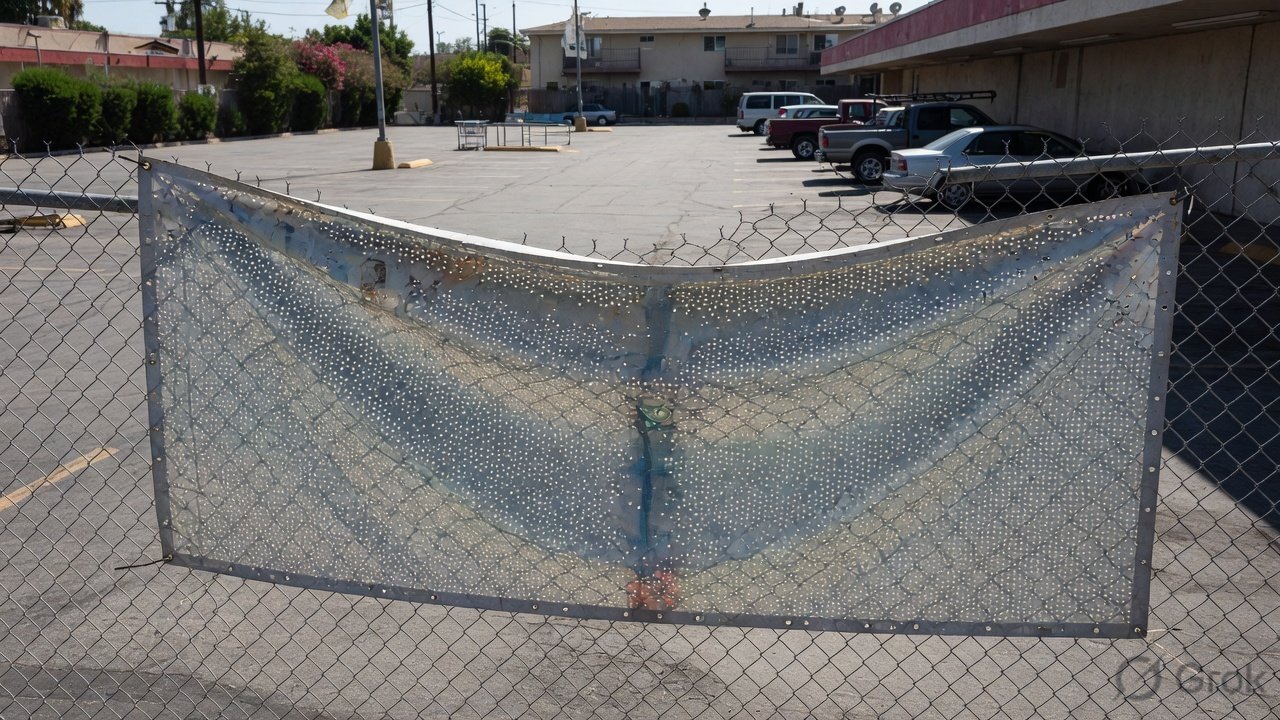
Mesh is perforated vinyl for wind. Vinyl is solid. Use mesh on fences and building wraps. Use vinyl when you need opacity and indoor color punch.